














lifestyle
How to Make a Bedroom Warmer This Winter: Essential Tips
As winter comes, it's time for cosiness, and adapting your bedroom for the colder weather is essential to keep you comfortable throughout the night. When the temperatures drop, heating bills naturally increase, but you can make your bedroom feel warm and inviting without turning the thermostat up high.
The key is finding smart ways to keep warmer air in and cold air out, made possible with the right bed linen fabrics and a few simple, inexpensive tricks. In this guide, we'll show you some easy and effective ways to make your bedroom feel toasty as we brace for the cold months.
Ways to Make Your Bedroom Warmer This Winter
While central heating is essential in British winters, a switch up of bedding, blankets, throws and even loungewear can work wonders, especially in the colder rooms in your home. It's as simple as raising the temperature by maintaining your own body heat and staying snug. Let’s get into it, with five practical winter bedroom tips.
1. Choose Warm Bedding Fabrics Like Brushed Cotton and Flannel
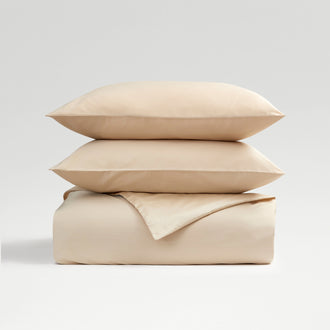
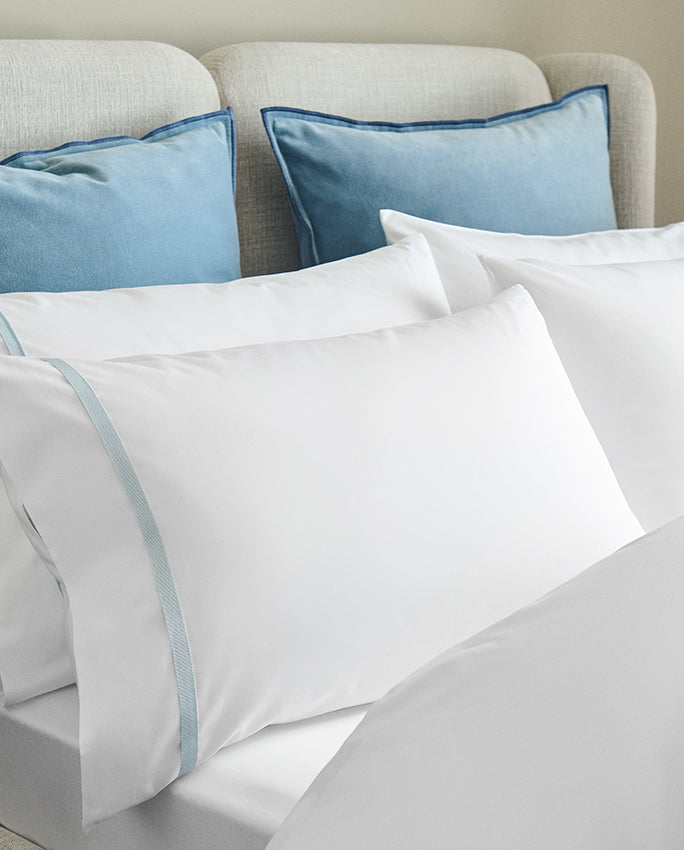
The fabric of your bed sheets can make a big difference to how you feel at night. When the seasons change, swap your lighter sheets for specific fabrics known for warmth, like brushed cotton, to trap heat. Brushed cotton or flannel is renowned for having a supersoft, almost velvety feel, with a raised surface that has small spaces that trap air. By holding that air in, it keeps you cocooned when you sleep. It's also worth noting that 100% brushed cotton of a premium quality still has an innate breathability, so you balance cosiness with natural moisture-wicking properties.
Here are a few bedding materials that help you feel warmer at night:
-
Brushed Cotton: With a supremely soft hand-feel, it's a classic choice for keeping warm.
-
Flannel Sheets: A perfect choice for holding body heat in, modern flannel is often also made with cotton rather than traditional wool and is often constructed to be a little heavier than brushed cotton.
-
Cotton Sateen: Although this choice works in all seasons, it's particularly great for layering in winter, thanks to its tighter weave and a warmer feel than cotton percale.
2. Layer Up with Weighted Throws and Cosy Blankets
Layers are affordable, effective and a Christy favourite when it comes to mastering a seasonal bedroom transformation. Think of it this way – in summer, we build our bed linen in lighter layers, using a flat sheet as an airy hero piece when a duvet is too heavy and insulating. For winter, we reverse it, adding a warm winter duvet (more on that in a moment), plus some cosy blankets and throws on top of your duvet. These extra layers retain heat and block out cold air.
When considering your choices, a throw is a great option to keep you warm. Adding instant softness and cosiness, this weighted feel can actually even help you feel calm and sleep better, too. Look for throws with plush fabrics like cotton velvet, or chunky wool knits, and consider quilted or filled throws, which often have a hollow fibre inner, just like a duvet.
3. Wear Warm Yet Breathable Pyjama Sets
What you wear to bed matters as much as your duvet or sheets. It’s the key to feeling warm yet comfortable, and just like your bed linen, layers work brilliantly. While you want to feel cosy, you need to make sure that air can move through your layers. If not, you may wake up sweating at night.
This is exactly why we craft our pyjama sets in a very specific way, using 100% cotton (for that natural moisture-wicking breathability) and a special weave that balances an airiness with warmth, achieved by spinning the cotton fibres with tiny air pockets. This weaving technique traps warmth when you’re cool but allows excess heat to escape as you heat up.
For optimal bedtime comfort, consider:
-
Long-sleeved pyjama tops and bottoms: These cover all of the body to help you stay warm, which is especially good if you're a cold sleeper.
-
Breathable fabrics: Both the fabric and the way it's woven play a part in how comfortable and breathable your warm winter pyjamas feel.
4. Switch Out Your Summer Duvet
A thick duvet is essential for maintaining warmth as the temperatures drop. Unlike summer duvets, which are often lighter in weight, a winter duvet is heavier, thicker and filled with materials that insulate your body during chilly nights. Look for options with higher tog ratings, around 10.5 or 13.5 as a guide, for best thermal effects.
Then there's the fill itself. Down and feather options are luxurious, natural, warm yet lightweight, which is perfect for those who don't like to feel too weighed down. Alternatively, synthetic fill duvets like polyester hollowfibre offer hypoallergenic benefits while still providing ample warmth. Here are a few things to consider when selecting a duvet based on fill:
Feather & Down
-
Exceptional warmth-to-weight ratio; keeps you warm without bulk
-
Highly breathable and naturally temperature-regulating
-
Lofty, cloud-light feel, and they drape beautifully too
-
Long-lasting if cared for properly, with a good natural 'spring' and loft retention
-
Natural fill with a premium feel, which is often biodegradable
Polyester Hollowfibre
-
Incredibly easy-care: fully machine-washable and quick-drying, great for busy households with small children
-
Budget-friendly while still offering reliable warmth
-
Hypoallergenic and ideal for allergy-sensitive sleepers
-
Durable and resilient for frequent laundering
-
Slightly weightier, which some people find comforting
Christy CloudLoft
-
Down-like loft and softness with a lightweight, cloud-like feel
-
Excellent balance of warmth, breathability, and easy care
-
Hypoallergenic synthetic fill, ideal for those avoiding feathers
-
Retains loft better than standard hollowfibre
-
Washable at home and dries relatively quickly
5. Use Hot Water Bottles to Preheat Your Bed
So we have your bed linen, your duvet and your pyjamas picked out. But what if you still need a little extra boost when the freeze sets in? In these cases, grab a hot water bottle and place it in your bed for 10 to 15 minutes before you get in to help you rest easier and fall asleep faster.
Either place your hot water bottle near your feet to help warm up one of the coldest parts of your body, or move it to your lower back when you want to get a bit of all-over body warmth. Price-friendly and easy, this is one of the best ways to stay warm in winter.
6. Slip-On Lounge Socks to Keep Your Feet Toasty
Do your feet feel cold the second you get into bed? When your room or surroundings are cold, your feet feel it first. Just like the hot water bottle hack, one of the best ways to combat this is by wearing cosy lounge socks. And if your feet feel warm, your whole body catches up. When looking for cosy socks, follow the same process as your bedding and pyjama choices - insulating and breathable are the key. Materials like our merino wool lounge socks are the perfect example of a fabric that traps heat well without that instant, sweaty sensation.
Smart DIY Tips to Boost Bedroom Warmth
Away from the soft and tactile choices in your bedroom, there are a few easy DIY tips to keep the heat in. These smart heating tips are simple, can be executed without the need for a professional, and take little time or money.
Make the Most of Sunlight During the Day
Even in the winter months, the sun gives us a bit of essential warmth and using that natural light can instantly make your bedroom feel warmer. To capture the light we have during the day, open your curtains and blinds as far as they go to allow sunlight to flood the space. Unsurprisingly, south-facing windows get the most sun, but actually, any window with direct sunlight can make a difference. Then remember, as evening closes in, this is the time to draw the curtains and keep all that warmer air inside for the night.
To maximise this effect:
-
Make sure to keep your windows clean to invite more light into your home.
-
Think about using thermal curtains and close them at night to keep the heat inside
Keep Your Room Insulated From Cold Spots
We've all experienced it, those cold draughts that seep in during the freezing months. Even the smallest gaps let cold air come in, so to keep your room warm, you need to find these spots and fix them, whether that's under doors, around window frames, or through letterboxes or pet flaps.
Putting draft excluders at the bottom of your bedroom door is an inexpensive way to stop cold air from coming in, or if there are gaps around windows, try weatherstripping tape to seal them. By identifying where your room loses heat, you can make it much cosier.
How to Make a Bedroom Warmer in Winter: Points To Remember
As the winter cold creeps in, it is important to make your bedroom feel warm and welcoming. A good place to start is by picking the right bedding, focusing on soft, cosy materials like brushed cotton or flannel, selecting a winter-warming duvet, wearing light, breathable pyjama sets and adding some throws to the top of your bed. A few easy DIY touches help, too, including warming up your bed before you get in, and blocking out cold air coming in through cracks. If you want to get ideas or look for the best items to give your room a warm makeover, read our blog to get inspired, or contact our team.
Frequently Asked Questions
What are the best bedding materials for warmth in winter?
To keep your bedding warm, pick materials made to trap heat. Flannel sheets and brushed cotton are good options because their feel helps keep heat in. These fabrics stop heat loss, but let air move, so you stay cosy and comfortable. If you add extra layers, like a wool blanket, you will feel even warmer.
Can rearranging furniture help my bedroom feel warmer?
Yes, where you put your furniture is important for that extra warmth. Check that big things like your bed or wardrobes are not in front of radiators; the aim is always to allow hot air to move around the room efficiently. Try moving furniture away from vents, too, as this helps warmth spread to heat the whole space better. These smart choices can also help your energy bills when it gets colder.
Do thermal curtains really make a difference in bedroom warmth?
Yes, thermal curtains work well as window treatments for a cold room, as their special lining helps trap heat inside your space. This also stops cold from getting in through the windows. By cutting down on heat loss, you can help keep your bedroom feeling warmer and cosier.

Related Reads

lifestyle
The 2026 Wimbledon Towel Collection: Strawberry, Heirloom Craft and a New Era of Design

lifestyle
Christy's Heirloom Collection: A Fresh Imagining of The Wimbledon Championships Towel

lifestyle