














lifestyle
Fresh Year, Fresh Bedding: Ways to Sleep Better in Winter
As the new year starts, it's the perfect time to focus on self-care. But when we think of our overall wellness, sleep is naturally part of the conversation. During winter months, our sleep habits change, and this ‘seasonal sleep’ is much talked about in the field of sleep & chrono medicine (as in - the study of our biological rhythms).
On a basic level, we know from these studies that the shorter days and longer nights can leave you feeling more tired than usual, but with a few small changes, you can reshape this narrative. In this guide, we'll explore how winter impacts your rest and how seemingly small things, such as fresh sheets, can enhance your slumber.
Why Winter Impacts Sleep Patterns
So why do we want to sleep more when it is cold outside? The answer lies in how our body is attuned to the change in seasons. Winter introduces factors that can affect how well you sleep, including melatonin production. Of course, there's also less natural light, which shifts your internal clock, AKA your circadian rhythm.
With fewer daylight hours, your brain, particularly the pineal gland, makes more melatonin - the sleep hormone - and it starts to make it earlier in the evening. When melatonin levels go up, it changes your circadian rhythm, making you feel sleepy earlier.
Some research also shows that people get more REM sleep during the winter. This stage of sleep is affected by light, including morning sunlight. During winter, nights are longer and darker, so you may stay in this deep sleep stage for a longer time (cue the groggy feeling when you wake).
All these factors combine to make your body act differently. But of course, in the UK, it's not just the lack of daylight in winter. Colder weather also plays its part.
How colder weather affects your sleep cycle
Cold weather has a resounding impact on your body before you sleep. A cool and dark room is the optimum environment for good sleep, and so the innate conditions of winter make the ambient temperature just right, essentially telling your brain that it’s time to relax and fall asleep. This cooling effect helps bring down your body’s core temperature, which is an important part of starting your sleep cycle.
So, what's the downside? This exact same thing can make mornings harder. Because your body’s core temperature stays low when you wake up, this leads to grogginess. Doesn't that make sense when you consider how tough it is to get out of your warm bed?
It's also worth noting that it's important to keep your room at the right temperature. Too cold and you'll be in discomfort, just as you would be if it's too hot.
Common Sleep Challenges During British Winters
Although it's normal to crave more sleep in winter, this can feel like a burden to some, especially if you get the winter blues, seasonal depression, or seasonal affective disorder (SAD).
These sleep and circadian rhythm disorders can disrupt everyday life, and although it's not a 'cure', it can help to know what causes these issues. Often, a combination of things keeps us up at night. Let's work through the common challenges.
Factors that may disturb rest in chillier months
Many things can make it hard for you to rest well, from a busy holiday season to stress, social events, or work commitments. Together, these things lower your sleep quality at any time of year, making you want to stay in bed longer or take a full advantage of an afternoon nap.
Living in an urban environment can make things tough, too, especially on dark mornings. A flood of artificial light after the sun goes down can mix up your body’s clock and make it hard for you to feel sleepy and settle into a relaxed state at the end of the day.
Other things that can make it hard for you to sleep include:
-
Heavy meals and alcohol: Winter comfort-eating and festivities often mean big meals and alcoholic drinks. These can both reduce sleep times and interfere with deep sleep.
-
Irregular schedules: Time away from work can change your routine, making you feel like napping more, interrupting a steady sleep schedule.
-
Increased stress: The holiday season, end-of-year work commitments, and January blues can bring extra stress, making it harder to feel calm at night and fall asleep.
-
Lack of Vitamin D: Your body makes this sleep-regulating vitamin from sunlight, but with less sun, vitamin D levels drop, resulting in tiredness and poor sleep quality.
New Year Reset - How Fresh Bedding Sets the Tone

Despite the sleep challenges we may face, the start of a new year is a symbolic time to relax and welcome a fresh start. Given we know that lifestyle, light and temperature impact sleep, a great way to approach your routine is to find ways to work with the season and maximise comfort, as Dr Dieter Kunz, sleep researcher and clinical chrono biologist, suggests: "societies need to adjust sleep habits, including length and timing, to season or adjust school and working schedules to seasonal sleep needs."
When you upgrade your bed linen, you do something small but important within that sleep experience, because new sheets do more than change how your room looks. Choosing the right fabrics for colder months adds warmth, comfort and a sense of 'safety', supporting optimal human physiology.
Benefits of switching to new bedding in January
If you want to 'exhale' into the new year with calm self-care, new bedding signals a fresh start - leaving behind the old and letting in something new. Here are some top reasons why it's good to upgrade your bedding in January:
-
Better Comfort: Soft, warm, yet airy fabrics help your body keep the right temperature, allowing you to rest without disruptions.
-
Fresh Bedding Feeling: New sheets ultimately give you a pristine base for your sleep, maximising sensory comfort and signalling a fresh start.
-
Getting into a Routine: They can also help you rest on a psychological level, encouraging you to keep a bedtime routine and meet your sleep needs.
Emotional well-being from new bedding
When winter comes, many people feel the "winter blues" and experience common symptoms like fatigue and lack of motivation. A simple way to help combat this is by making your space feel safe and warm, which is exactly what many animals do seasonally. Think of it a little like hibernation mode. There's a real and important reason for creating cosy, secure spaces at this time of year.
Cold nights demand warm, comfort-maximising sheets, but along with your bedding, you can improve your sleep space by taking a holistic view of the whole environment, from using soft throws as layers to introducing the right lighting to work with seasonal changes.
Choosing the Best Bedding for Winter Comfort
Good quality bedding will keep you warm but not too hot, with a focus on materials that feel cosy but let the air move. When you shop for winter bedding, think about your room's ambient temperature and your own sleep preferences. For example, if you're a cold sleeper or you have a particularly cold room, you might want to layer up more than someone who gets hot easily.
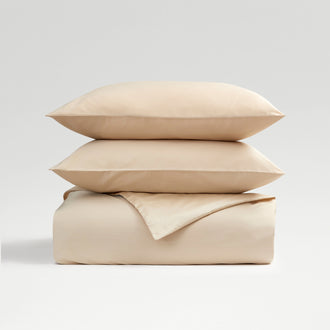
Christy’s bed collections are made to give you optimum comfort, thanks to their premium, natural fabric constructions and expert weaves. Every set is made to be luxuriously comfortable, making your bed feel like the best place to be when it is cold. From the soft feel of sateen or the breathability of organic cotton, there's a perfect fit for every sleeper.
Here are three classic picks to refresh your winter bed:
|
Collection |
Key Feature for Winter Comfort |
|
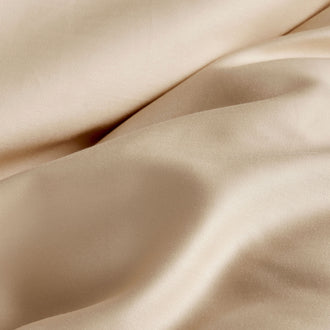
Premium Sateen |
Expertly woven for a smooth, lustrous finish, this sateen delivers cosy comfort without feeling heavy, maintaining a light, breathable sleep environment. Top tip: This special weave adapts to you, suiting both hot and cold sleepers. |
|
Pure Organic |
Made from 100% Organic Cotton, this bedding is naturally soft, breathable, and perfect for sensitive skin, ensuring comfort without irritation. Top tip: A perfect choice for hot sleepers. |
|
Scallop Edge |
Features an elegant embroidered edge that adds a touch of sophisticated style, transforming your bed into an inviting retreat. Top tip: With a sateen weave, it's best for colder sleepers. |
|
Flannel |
Crafted from brushed cotton, it’s super-soft and slightly fuzzy. This adds warmth while the 100% natural cotton provides important breathability. Top tip: The ultimate choice for cosy winter beds with a warming touch. |
Take a look at our duvets and pillows to tailor warmth and comfort.
Enhancing routines with throws and accessories
Along with your main bedding, cosy extra touches can make all the difference when you want to layer warmth and freshness, without switching out your bed sheets. In terms of giving your mind and body a boost, throws can help induce a sense of calm before bed by promoting relaxation and even circulation, which can enhance your blood vessel function. Together, this tells your mind and body that it is time to relax and get ready for sleep.
Add these items to finish your space:
-
Jaipur Throw: Whether layered on your bed or wrapped around you on the sofa, the Jaipur throw is a long-term Christy best-seller, crafted with luxury cotton velvet and textured chambray on the reverse, and lightly filled and quilted for a weighted feel.
-
Laundered Cotton: Crafted to feel super soft and easy-living, our Laundered Cotton accessories are made with premium fibres that have been woven then washed in a special step for extra, cloud-like softness.
Rounding off on how to sleep better in winter
A new year signals new routines and intentions, but with it, colder and darker days that demand more from our bodies and impact our sleep. By understanding what's happening on a scientific level and making small changes, you can lean into the season. Fresh bedding and routine tweaks can help beat winter sleep challenges, and whether you need extra inspiration or guidance on choosing the right bedding, we're here.
Simply reach out to our customer service team or launch a Chat with Specialist window.
Frequently Asked Questions
Should I adjust my bedtime routine when the seasons change?
Yes, changing your routine can be helpful. While a regular sleep schedule, aligned with typical work schedules, is important, you should also pay attention to your body’s changing circadian rhythm during the winter months. As the early sunsets in winter can be a sign it’s time to get ready for bed, try to slow down your evening routine a bit earlier, which in turn will encourage your core body temperature to drop, making it easier to sleep.
Can new luxury bedding help improve sleep quality?
It's a small change, but new luxury bed linen can help you to feel better, mainly because it is made with high-quality materials that promote comfort, breathability and the right levels of warmth. Together, these things contribute to better sleep, as well as creating a calm place to rest and relax.
What are simple ways to create a cosy winter bedroom?
To make your room feel cosy in the winter, start by layering your bedding. Choose soft sheets that amplify warmth while promoting air flow, select a warmer duvet with a higher tog, add throws or blankets to your bed for customised warmth, and consider a sleep routine that relaxes you.
Should I sleep more in winter?
Yes, sleeping more in winter can be beneficial because the longer nights and shorter days often lead to increased fatigue. Prioritising rest helps regulate your body’s circadian rhythm, boosts mood, and enhances overall health, especially if you create a cosy sleep environment to support better sleep quality during the colder months.

Related Reads

lifestyle
The 2026 Wimbledon Towel Collection: Strawberry, Heirloom Craft and a New Era of Design

lifestyle
Christy's Heirloom Collection: A Fresh Imagining of The Wimbledon Championships Towel

lifestyle